The Ultimate Guide to Exploring Rome in 2026: Top Attractions, Hidden Gems & Authentic Local Experiences
Rome isn’t just another European capital—it’s a living, breathing museum where every cobblestone whispers stories of emperors, artists, and revolutionaries. Picture yourself standing inside the Colosseum at sunrise, tossing coins into the Trevi Fountain under moonlight, or savoring your first bite of authentic cacio e pepe in a family-run trattoria tucked away in Trastevere. Whether you’re planning your first visit to the Eternal City or returning to discover layers you missed before, this comprehensive Rome travel guide reveals everything you need to create an unforgettable Italian adventure. From skip-the-line strategies for major landmarks to secret neighborhood gems that most tourists never find, we’re diving deep into what makes Rome one of the world’s most captivating destinations.
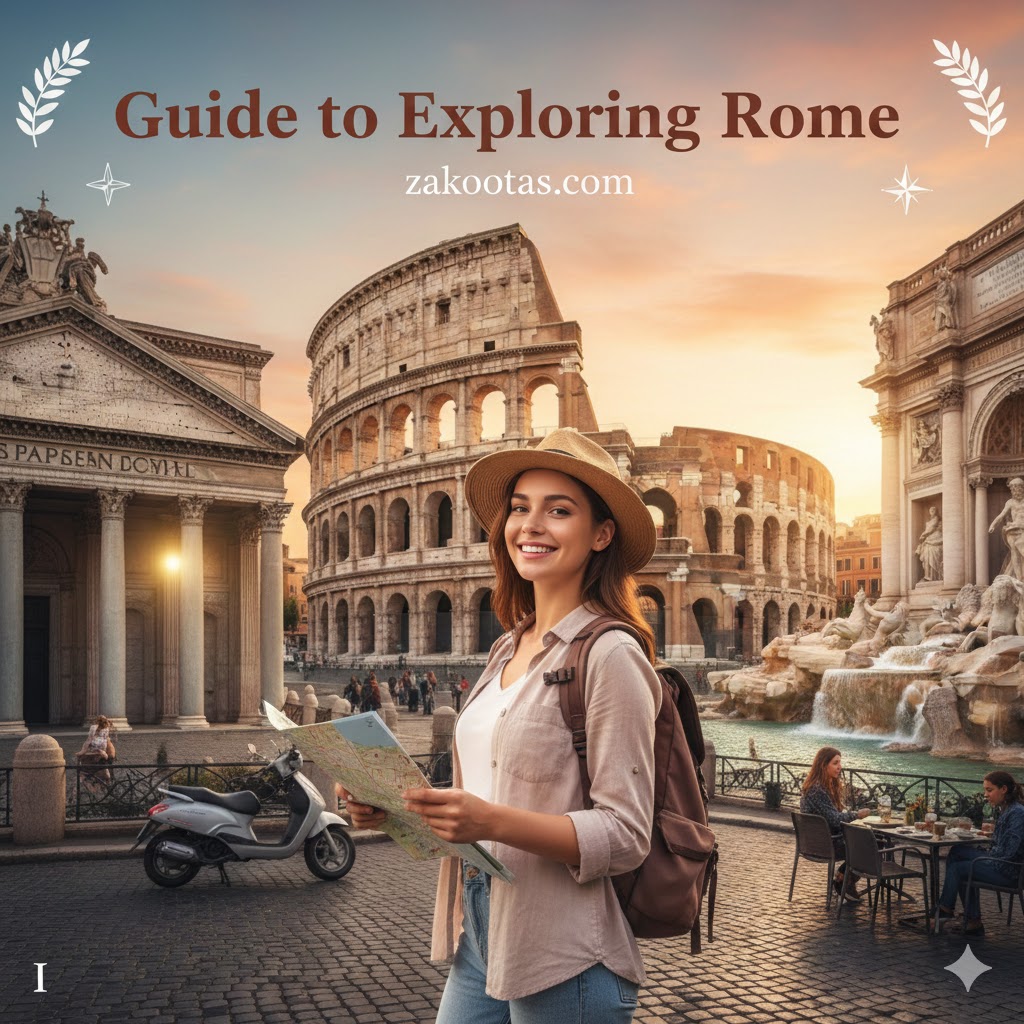
Why Visit Rome: The Eternal City’s Timeless Appeal
Rome has earned its nickname “The Eternal City” through more than just clever marketing. Founded in 753 BC according to legend, this ancient metropolis has continuously evolved while preserving its extraordinary heritage across nearly three millennia. Walking through Rome means stepping through layers of civilization—you might grab an espresso at a café built into 2,000-year-old ruins, explore underground temples beneath Renaissance churches, or watch sunset paint the sky above monuments that witnessed the rise and fall of empires.
What sets Rome apart from other historic cities is its remarkable ability to blend the ancient with the contemporary. The Roman Forum buzzes with life despite being centuries old, gelaterias serve modern flavors alongside traditional recipes, and locals navigate Vespas around the same streets where chariots once thundered. This unique juxtaposition creates an atmosphere you won’t find anywhere else on Earth.
Beyond the headlines attractions, Rome offers profound cultural experiences: intimate cooking classes where nonnas share generations-old pasta techniques, underground catacombs that reveal early Christian history, neighborhood markets bursting with seasonal Italian produce, and rooftop terraces where aperitivo hour transforms into magical evenings overlooking terracotta rooftops. The city rewards curiosity—every turn down a narrow alley might lead to a hidden piazza, a family-owned wine bar, or a centuries-old fountain still flowing with fresh water.
Best Time to Visit Rome: A Complete Seasonal Guide
Spring in Rome (March to May)
Spring stands out as one of the absolute best times to visit Rome. The weather is delightfully mild, with temperatures ranging from 55°F to 70°F (13°C to 21°C), perfect for comfortable sightseeing without the scorching summer heat. The city bursts into bloom during these months, with wisteria cascading over ancient walls and the Spanish Steps adorned with vibrant azaleas in mid-April.
Tourist crowds remain manageable in early spring, though Easter (which varies between late March and April) brings pilgrims to Vatican City and can create congestion. April offers ideal conditions—pleasant weather, blooming gardens at Villa Borghese, and reasonable hotel rates before the summer rush begins. This season is particularly magical for outdoor dining, strolling through neighborhoods like Trastevere, and visiting archaeological sites without the intense midday sun.
Summer in Rome (June to August)
Summer represents peak tourist season in Rome, and for good reason—long daylight hours extend your sightseeing time, and the city pulses with vibrant energy. However, July and August bring intense heat, with temperatures frequently exceeding 95°F (35°C). Many locals escape to coastal areas during Ferragosto (mid-August), and some restaurants close for annual holidays.
If you visit during summer, adopt a strategic approach: start sightseeing early (many attractions open at 8:00 or 9:00 AM), take afternoon breaks during peak heat (embrace the Italian siesta!), and explore neighborhoods and dine al fresco during cooler evening hours. Book accommodations with air conditioning, stay hydrated at Rome’s 2,500+ public drinking fountains, and consider skip-the-line tickets to minimize time standing in exposed queues.
Fall in Rome (September to November)
Fall rivals spring as the optimal time for visiting Rome. September still feels summery but with fewer crowds as schools resume session. October offers particularly pleasant conditions—comfortable temperatures, golden autumn light perfect for photography, and harvest season celebrations featuring fresh truffles, chestnuts, and new wine.
The weather remains mild through November, though rain becomes more frequent. Fall is ideal for food enthusiasts, as restaurants showcase seasonal specialties like pumpkin-filled ravioli, wild mushroom risotto, and roasted chestnuts sold by street vendors. Cultural events increase, museums feel less crowded, and you’ll encounter more locals than tourists in neighborhood trattorias.
Winter in Rome (December to February)
Winter reveals a different side of Rome—quieter, more intimate, and authentically local. While temperatures hover between 40°F and 55°F (4°C to 13°C), the Mediterranean climate keeps winters relatively mild compared to northern Europe. Christmas season (early December through Epiphany on January 6) transforms the city with festive markets, nativity scenes called presepi, and stunning decorations.
This off-season period offers significant advantages: drastically reduced crowds at major attractions, lower hotel rates (sometimes 40-50% off peak prices), and a more relaxed pace. Museums and galleries become almost meditative experiences. January is particularly quiet, making it perfect for visitors who prefer contemplative cultural immersion over bustling tourist energy. Pack layers, as indoor heating can be inconsistent in older buildings.
Essential Rome Attractions & Iconic Landmarks You Can’t Miss
The Colosseum: Ancient Rome’s Greatest Amphitheater
The Colosseum stands as Rome’s most iconic monument and the world’s largest ancient amphitheater. Built between 70-80 AD, this architectural marvel once hosted up to 80,000 spectators for gladiatorial contests, animal hunts, and mock naval battles. Walking through the arena where gladiators fought for their lives creates a visceral connection to Roman history that no textbook can match.
Insider Tips: Book tickets online weeks in advance to secure skip-the-line access—lines can extend for 2-3 hours during peak season. The Roma Pass or combo tickets that include the Roman Forum and Palatine Hill offer excellent value. For a truly unique experience, consider booking a small-group tour that includes access to the underground chambers and arena floor, areas typically closed to general visitors. Early morning visits (8:00-9:00 AM) or late afternoon slots provide the best light for photography and smaller crowds.
Practical Information: Located at Piazza del Colosseo, 1. Metro: Linea B, Colosseo station. Hours: 9:00 AM to one hour before sunset (varies by season). Tickets from €18 (arena floor access from €22). Expect to spend 1.5-2 hours here.
Vatican City: St. Peter’s Basilica & the Vatican Museums
Vatican City, the world’s smallest independent state, houses some of humanity’s greatest artistic treasures. The Vatican Museums contain an overwhelming collection spanning centuries—from ancient Egyptian artifacts to Renaissance masterpieces. The crown jewel is the Sistine Chapel, where Michelangelo’s legendary ceiling frescoes depicting the Creation of Adam leave visitors speechless.
St. Peter’s Basilica, one of Christianity’s holiest sites, showcases breathtaking architecture with its massive dome designed by Michelangelo. Climbing the 551 steps to the cupola rewards you with panoramic views across Rome that justify every bit of effort. Inside, don’t miss Michelangelo’s Pietà, a sculpture so exquisite it seems impossible that it was carved from marble.
Strategic Visiting: The Vatican Museums are enormous—you could spend an entire day and barely scratch the surface. Prioritize what interests you most. Wednesday mornings (when the Pope holds general audiences) and first Sundays of the month (when admission is free) bring the largest crowds. Book skip-the-line tickets or consider a small-group tour with an expert guide who can navigate you efficiently through the highlights while sharing fascinating context. The museums open at 9:00 AM; arriving right at opening time or booking the exclusive early-morning “Breakfast at the Vatican” experience provides the most peaceful experience.
Dress Code: Both the Vatican Museums and St. Peter’s Basilica enforce strict dress codes—shoulders and knees must be covered, no hats inside. Security screening can take 30+ minutes during busy periods.
Trevi Fountain: Rome’s Baroque Masterpiece
The Trevi Fountain isn’t just Rome’s largest and most famous fountain—it’s a theatrical Baroque masterpiece where mythology comes to life in cascading water and marble. According to legend, tossing one coin over your left shoulder into the fountain ensures your return to Rome; two coins bring new romance; three coins lead to marriage. The tradition continues, with approximately €3,000 collected daily and donated to charity.
This 18th-century fountain features Oceanus, god of water, riding a shell chariot pulled by seahorses and tritons. Best viewed at night when dramatically illuminated, or very early morning (before 7:00 AM) to capture photos without massive crowds. The surrounding area offers excellent gelaterias, though watch for tourist traps—authentic gelato is stored in metal containers, not piled high in rainbow mountains.
The Pantheon: Ancient Rome’s Architectural Wonder
Nearly 2,000 years after its construction, the Pantheon remains the world’s largest unreinforced concrete dome—a testament to Roman engineering genius that modern architects still study. Originally built as a temple to all Roman gods, it’s now a church that maintains regular services. The oculus, a circular opening at the dome’s apex, serves as the only natural light source, creating an ethereal atmosphere as sunlight streams through, moving across the interior as hours pass.
Entry is free (though donations are encouraged), making it one of Rome’s most accessible major monuments. The building houses tombs of Italian kings and Renaissance artist Raphael. Visit during rainstorms if possible—watching rain fall through the oculus creates an unforgettable experience. Located in Piazza della Rotonda, the Pantheon sits amid charming cafés perfect for post-visit refreshments.
Roman Forum & Palatine Hill
The Roman Forum served as the pulsing heart of ancient Rome—imagine walking the same stones where Julius Caesar was cremated, where Senators debated laws that shaped Western civilization, and where triumphal processions celebrated military victories. While now ruins, these temples, basilicas, and government buildings reveal the power and sophistication of the Roman Empire.
Adjacent Palatine Hill, where Rome’s legendary founders Romulus and Remus were raised by a she-wolf, became the exclusive neighborhood where emperors built lavish palaces. The elevated position offers stunning views across the Forum and Circus Maximus. Combined tickets with the Colosseum make exploring all three sites economical. Hiring a guide or downloading audio tours greatly enhances understanding, as interpreting scattered ruins requires historical context.
Spanish Steps & Piazza di Spagna
The Spanish Steps, a monumental stairway of 135 steps connecting Piazza di Spagna with the Trinità dei Monti church, has served as a gathering place for centuries. Today it buzzes with tourists, street artists, and locals enjoying the vibrant atmosphere. The area surrounding the steps features luxury shopping along Via Condotti (home to Gucci, Prada, Bulgari), historic cafés where Keats once wrote poetry, and the famous Barcaccia fountain designed by Pietro Bernini.
Spring brings spectacular beauty when azaleas in full bloom decorate the steps. Note that sitting on the steps is now prohibited and subject to fines, but the surrounding piazza offers plenty of spots to rest and people-watch. Early morning visits provide opportunities for photos without thousands of people in the frame.
Hidden Gems & Off-the-Beaten-Path Rome Experiences
Aventine Hill & the Knights of Malta Keyhole
One of Rome’s Seven Hills, Aventine offers a peaceful escape from tourist crowds. The main attraction is the famous keyhole at Piazza dei Cavalieri di Malta—peer through the green door’s keyhole to see a perfectly framed view of St. Peter’s Basilica dome through garden hedges, a composition so precise it seems impossible. This free, lesser-known viewpoint delights visitors who discover it.
While there, explore the adjacent Orange Garden (Giardino degli Aranci), a tranquil park with fragrant orange trees and panoramic city views. Sunset here ranks among Rome’s most romantic moments, popular with couples and photographers. The neighborhood maintains an authentic, residential character rare in central Rome.
Testaccio: Rome’s Authentic Food District
Testaccio represents real Roman life—a working-class neighborhood where grandmothers shop for fresh produce at morning markets, butchers prepare traditional quinto quarto (offal dishes), and trattorias serve recipes unchanged for generations. The Testaccio Market bursts with seasonal ingredients, offering excellent street food including trapizzini (stuffed pizza pockets) and porchetta sandwiches.
This area pioneered many classic Roman dishes. Visit Flavio al Velavevodetto for exceptional carbonara, or take a food tour to sample multiple specialties while learning culinary history from local experts. Testaccio also features vibrant nightlife with wine bars and live music venues frequented by Romans, not tourists.
The Protestant Cemetery & Pyramid of Cestius
This hauntingly beautiful cemetery, officially called Cimitero Acattolico, serves as the final resting place for non-Catholics, including poets Keats and Shelley. Cypress trees shade romantic graves adorned with sculptures and epitaphs. The peaceful atmosphere provides contemplative respite from Rome’s energy.
Adjacent stands the Pyramid of Cestius, a 2,000-year-old Egyptian-style pyramid built as a tomb during Rome’s fascination with Egypt. This unexpected monument, remarkably preserved, creates striking photographs against modern Rome’s backdrop.
Quartiere Coppedè: Rome’s Hidden Architectural Fairy Tale
Tucked away near Villa Torlonia, Quartiere Coppedè feels like stumbling into a fantasy world. This small neighborhood, designed by architect Gino Coppedè in the early 1900s, mixes Art Nouveau, Baroque, medieval, and ancient Greek influences into wildly imaginative buildings. The Fontana delle Rane (Fountain of Frogs) serves as the centerpiece of this architectural wonderland.
Few tourists discover this neighborhood, making it perfect for photography without crowds. The ornate details—from copper work to ceramic decorations to whimsical creature sculptures—reward close examination. Visit during golden hour when sunlight illuminates the decorative facades spectacularly.
Authentic Roman Food Experiences: What & Where to Eat
Essential Roman Dishes You Must Try
Roman cuisine, cucina romana, celebrates simplicity and quality ingredients rather than elaborate preparations. The city’s “Big Four” pasta dishes define traditional Roman cooking: Cacio e Pepe (pecorino cheese and black pepper), Carbonara (guanciale, egg, pecorino, black pepper—no cream!), Amatriciana (guanciale, tomato, pecorino, chili), and Gricia (guanciale, pecorino, black pepper, essentially carbonara without egg). Each preparation seems deceptively simple but requires skill to perfect.
Supplì: These fried rice balls filled with tomato sauce and mozzarella are Rome’s quintessential street food, best enjoyed piping hot from corner bars and pizzerias. When you bite into one, the melted mozzarella stretches like a telephone cord—hence their nickname supplì al telefono.
Carciofi alla Giudia: Jewish-style artichokes, fried until crispy as chips, originated in Rome’s Jewish Ghetto and represent one of the city’s most beloved vegetables preparations. The entire artichoke becomes edible, with petals that shatter delicately.
Saltimbocca alla Romana: Veal cutlets topped with prosciutto and sage, the name literally means “jumps in the mouth.” Coda alla Vaccinara: Oxtail stewed in tomato sauce with celery represents traditional quinto quarto cooking, making delicious dishes from less desirable cuts.
Where to Eat: From Trattorias to Street Food
Traditional Trattorias: These family-run restaurants serve authentic Roman cooking in unpretentious settings. Look for handwritten menus, Roman dialect on the walls, and locals filling the tables—all good signs. Flavio al Velavevodetto in Testaccio, Checchino dal 1887 for offal specialties, and Armando al Pantheon for classic preparations near the Pantheon all deliver exceptional quality. Da Enzo al 29 in Trastevere draws long queues (arrive when they open to avoid waiting), but their cacio e pepe justifies the wait.
Pizza al Taglio: Roman pizza differs from Neapolitan style—it’s rectangular, crispy-bottomed, and sold by weight. Pizzarium near the Vatican, run by renowned pizza chef Gabriele Bonci, offers creative toppings on perfect dough. Antico Forno Roscioli combines excellent pizza with a bakery and delicatessen.
Gelato: Authentic gelato bears little resemblance to artificial tourist versions. Look for gelaterie artigianali (artisan gelato makers) using natural ingredients without artificial colors. Gelateria del Teatro, Giolitti (since 1900), and Fatamorgana (offering creative flavors) all craft exceptional gelato. Avoid places displaying gelato piled high in bright, unnatural colors.
Food Tours & Cooking Classes
Taking a food tour connects you with Rome’s culinary soul while navigating neighborhoods you might otherwise miss. Eating Italy Food Tours and Eating Europe offer excellent guided experiences through Testaccio, Trastevere, and the Jewish Ghetto, including market visits, tastings at multiple establishments, and cultural context.
Cooking classes provide hands-on experience creating Roman classics. Many take place in instructors’ homes or small studios, offering intimate settings where you’ll learn to make pasta from scratch, perfect carbonara technique, or craft authentic tiramisu. You’ll gain skills to recreate Italian flavors at home while enjoying the fruits of your labor with wine over dinner.
Aperitivo Culture
Aperitivo, Italy’s answer to happy hour, typically runs from 6:00-9:00 PM. Order a drink (usually a Spritz, Negroni, or Prosecco) and help yourself to complimentary buffet snacks ranging from simple olives and chips to elaborate spreads featuring pasta, pizza, and appetizers. This tradition offers excellent value while providing a social atmosphere to unwind after sightseeing. Campo de’ Fiori and Trastevere neighborhoods excel at aperitivo scene.
Rome Neighborhoods: Where to Stay & Local Character
Centro Storico (Historic Center)
The historic center puts you within walking distance of major attractions—the Pantheon, Piazza Navona, Campo de’ Fiori, and Trevi Fountain. This area pulses with energy day and night, filled with restaurants, cafés, and shops. Staying here minimizes transportation needs, as you can stroll to most sights. However, it’s the most expensive area and can feel touristy. Look for side street accommodations away from main piazzas for relatively better value and quieter nights.
Trastevere: Bohemian Charm & Authentic Atmosphere
Trastevere (“across the Tiber”) maintains its medieval character with narrow cobblestone streets, ivy-covered buildings, and neighborhood trattorias where locals dine. This area transforms from sleepy mornings to vibrant evenings when locals flood piazzas for aperitivo. Staying here offers authentic Roman life with excellent restaurants, artisan shops, and a walkable location to major sights. It’s particularly appealing for those seeking atmosphere over proximity to tourist attractions.
Monti: Trendy Village Vibe Near Ancient Ruins
Monti, Rome’s first suburb dating to ancient times, has evolved into a hip neighborhood beloved by locals. The area mixes vintage boutiques, independent cafés, wine bars, and restaurants with a village-like atmosphere despite sitting near the Colosseum. The cobblestone streets and intimate piazzas create a relaxed setting. Monti attracts younger crowds and creatives, offering excellent nightlife alongside convenient access to major archaeological sites.
Prati: Residential Elegance Near Vatican City
Prati represents residential Roman life with wide boulevards, elegant buildings, and excellent shopping along Via Cola di Rienzo. Its proximity to Vatican City makes it ideal for visitors prioritizing those attractions. The neighborhood offers authentic restaurants frequented by locals, fewer tourists, and better value than Centro Storico. Metro connections provide easy access to other areas.
Testaccio: Working-Class Roots & Food Culture
Testaccio maintains its working-class character despite increasing popularity. This authentic neighborhood centers around food—from its morning market to traditional trattorias serving cucina romana to nightlife venues in former slaughterhouse buildings. Staying here immerses you in genuine Roman life away from tourist circuits, though it requires more transportation to reach major sights.
Practical Rome Travel Tips for 2026
Getting Around Rome
Rome’s compact historic center is extremely walkable—comfortable shoes matter more than any other preparation. The Metro (subway) has two main lines (A and B) serving key areas, though many attractions lie between stations. Buses cover the entire city but can be confusing without apps like Google Maps or Moovit. Purchase tickets at tabacchi shops, newsstands, or metro stations before boarding—inspectors issue hefty fines for ticketless riders.
Taxis are readily available but expensive—always use official white taxis with meters and insist drivers use them. Ride-sharing apps like Uber and Free Now operate in Rome. The hop-on-hop-off tourist buses, while pricey, offer orientation and convenient transportation between major sights.
Money & Costs
Rome uses the Euro (€). ATMs are widely available with reasonable fees—avoid currency exchange offices which offer poor rates. Credit cards are accepted at most establishments, though some small cafés and trattorias remain cash-only. Budget approximately €80-120 per day for mid-range travel including meals, attractions, and transport.
Safety & Common Scams
Rome is generally safe, but pickpocketing and petty theft target tourists, especially on crowded buses (particularly the 64 to the Vatican), at major monuments, and near Termini station. Keep valuables secure, avoid displaying expensive jewelry or electronics, and stay alert in crowds. Common scams include “friendship bracelet” vendors who tie bracelets on wrists then demand payment, unofficial “gladiators” near the Colosseum charging for photos, and restaurant touts in tourist areas leading to overpriced mediocre meals.
Free Drinking Water
Rome maintains over 2,500 nasoni (little big noses), public drinking fountains with fresh, safe water throughout the city. Carry a reusable bottle and refill freely—it’s environmentally friendly and saves money. The continuously flowing water is perfectly safe to drink.
Essential Phrases
While many Romans speak English in tourist areas, learning basic Italian phrases earns appreciation: Buongiorno (good morning), Grazie (thank you), Per favore (please), Scusi (excuse me), Il conto, per favore (the bill, please). Making the effort, even if your pronunciation isn’t perfect, demonstrates respect and often results in warmer interactions.
Unforgettable Day Trips from Rome
Tivoli: Villa d’Este & Hadrian’s Villa
Just 30 kilometers from Rome, Tivoli offers two UNESCO World Heritage sites. Villa d’Este showcases Italian Renaissance garden design at its finest, with spectacular fountains, grottoes, and terraced gardens. Hadrian’s Villa, the vast estate of Emperor Hadrian, reveals ancient luxury through remarkably preserved ruins including baths, libraries, and theaters. Combined, these sites make an excellent day trip accessible by regional train or guided tour.
Ostia Antica: Rome’s Ancient Port City
Often called “Rome’s Pompeii,” Ostia Antica preserves an entire ancient Roman port town without the crowds of more famous sites. Wander through remarkably intact streets, theaters, bathhouses, apartment buildings, and shops that reveal daily life 2,000 years ago. The site feels more accessible and intimate than the Roman Forum, and the beach at nearby Ostia Lido offers summer swimming opportunities. Easy to reach by metro in 40 minutes.
Orvieto: Hilltop Medieval Town
Perched dramatically atop a volcanic cliff, Orvieto enchants with its stunning cathedral featuring Gothic facade and Signorelli frescoes, underground cave system, and panoramic Umbrian countryside views. The town produces excellent white wine. Accessible by train in about 90 minutes, making it perfect for a relaxed day trip combining history, art, and wine.
Rome Itineraries: How to Plan Your Visit
Rome in 3 Days: The Essential Experience
Day 1 – Ancient Rome: Begin at the Colosseum right when it opens (9:00 AM with skip-the-line tickets). Explore the Roman Forum and Palatine Hill (all included in one ticket). Lunch in Monti neighborhood. Afternoon: Visit the Capitoline Museums and Victor Emmanuel Monument viewpoint. Evening: Walk to Campo de’ Fiori for aperitivo, then dinner in nearby Jewish Ghetto.
Day 2 – Vatican & Trastevere: Early entrance to Vatican Museums (book 9:00 AM slot), spending 3-4 hours including the Sistine Chapel. Tour St. Peter’s Basilica. Optional: climb the dome for panoramic views. Late afternoon: Cross the river to Trastevere, exploring its medieval streets. Evening: Dinner at a traditional trattoria followed by gelato.
Day 3 – Baroque Rome & Beyond: Start at Piazza Navona and Pantheon (free entry). Walk to Trevi Fountain (arrive early for photos). Continue to Spanish Steps and luxury shopping district. Afternoon: Visit Borghese Gallery (advance reservation required) or explore Villa Borghese gardens. Evening: Sunset from Aventine Hill keyhole, dinner in Testaccio.
Rome in 4-5 Days: Deeper Exploration
Follow the 3-day itinerary above, then add: Day 4 for a day trip to Tivoli or Ostia Antica. Day 5 for neighborhood immersion—take a food tour through Testaccio or Trastevere, visit the Appian Way and Catacombs, explore Borghese Gallery collections more thoroughly, take a cooking class, or enjoy a leisurely morning at local markets followed by picnicking in Villa Borghese.
Rome in One Week: The Complete Experience
A full week allows comprehensive exploration without rushing. Beyond the 5-day itinerary: add visits to National Roman Museum, Castel Sant’Angelo, Ara Pacis, non-Catholic Cemetery, day trip to Orvieto or Assisi, attend an opera or concert, visit neighborhood churches with hidden art treasures (San Clemente, Santa Maria in Trastevere, Santa Maria Maggiore), explore markets, take multiple food tours, and allow spontaneous wandering to discover your own hidden gems.
Final Tips for Your Rome Adventure
Rome rewards preparation balanced with flexibility. While booking major attractions in advance prevents disappointment and saves hours in queues, leave room for spontaneous discoveries—the unexpected trattoria, the quiet piazza where locals gather, the church concealing Renaissance masterpieces that you stumbled upon by chance. Don’t try cramming too much into each day; Rome isn’t a checklist to complete but an experience to savor.
Embrace the Italian pace—long lunches, evening passeggiatas (strolls), and conversations over wine belong to Rome as much as ancient monuments. The Eternal City has survived nearly three millennia and will be here when you return—and if you toss that coin in the Trevi Fountain, you will return. Focus on quality experiences over quantity of sights, connect with locals when possible, and let yourself get beautifully lost in its timeless streets.
Whether you’re marveling at Michelangelo’s genius in the Sistine Chapel, perfecting your pasta technique in a cooking class, or simply watching sunset paint the Forum ruins golden, Rome offers moments that transcend typical tourism and become genuine transformation. This is a city that has been shaping human culture, art, and history for millennia—and now it’s ready to shape your story too.
Rome captured my heart in ways I never expected. Beyond the incredible history and architecture, it was the moments in between that stayed with me—the morning espresso ritual, learning to make carbonara from a grandmother in Trastevere, discovering the Knights of Malta keyhole at sunset. This city teaches you to slow down, to savor, to appreciate layers of beauty both monumental and intimate. I returned home not just with photos, but with a piece of Rome living inside me.”
Pro Tip
Download Offline Maps Before You Arrive
Rome’s narrow medieval streets and ancient layout can confuse even GPS. Download offline Google Maps of Rome and key neighborhoods before your trip. This allows navigation without burning through international data, helps you find those hidden trattorias locals recommended, and prevents getting lost (which, admittedly, is part of Rome’s charm). Mark your must-visit spots, saved restaurants, and your accommodation with pins for easy reference.
| Attraction | Best Time to Visit | Approximate Duration | Insider Tip |
|---|---|---|---|
| Colosseum | Early morning (9:00 AM) or late afternoon | 1.5-2 hours | Book underground & arena floor access for unique perspective |
| Vatican Museums | Right at opening (9:00 AM) or late afternoon (after 3:00 PM) | 3-4 hours minimum | Skip Wednesdays when Pope holds audience; buy tickets online weeks ahead |
| Borghese Gallery | Morning slots | 2 hours (timed entry) | Mandatory advance booking; limit yourself to appreciating highlights |
| Trevi Fountain | Very early morning (before 7:00 AM) or late evening | 20-30 minutes | Best photos without crowds at sunrise; magical when illuminated at night |
| Roman Forum | Early morning or late afternoon for softer light | 2-3 hours | Combined ticket with Colosseum & Palatine Hill; audio guide essential |
Ready to Book Your Rome Adventure? Start planning your perfect Roman holiday today. Whether you’re seeking skip-the-line tickets to major attractions, authentic food tours with local experts, or unique experiences like Vespa rentals and cooking classes, Explore Rome Tours & Activities on GetYourGuide to find the best-reviewed experiences that will make your trip unforgettable.
More Essential Rome Resources:
Have you visited Rome? What were your favorite experiences in the Eternal City? Share your Rome travel tips, hidden discoveries, or questions about planning your trip in the comments below. And don’t forget—when you toss that coin into the Trevi Fountain, you’re guaranteed to return. ♥


